Naples and Collier County
Naples and Collier County septic questions often come down to Golden Gate Estates acreage on wells and septic and a high wet-season water table. Typical work here includes pumping, mound and drain-field repair, inspections and post-storm checks.
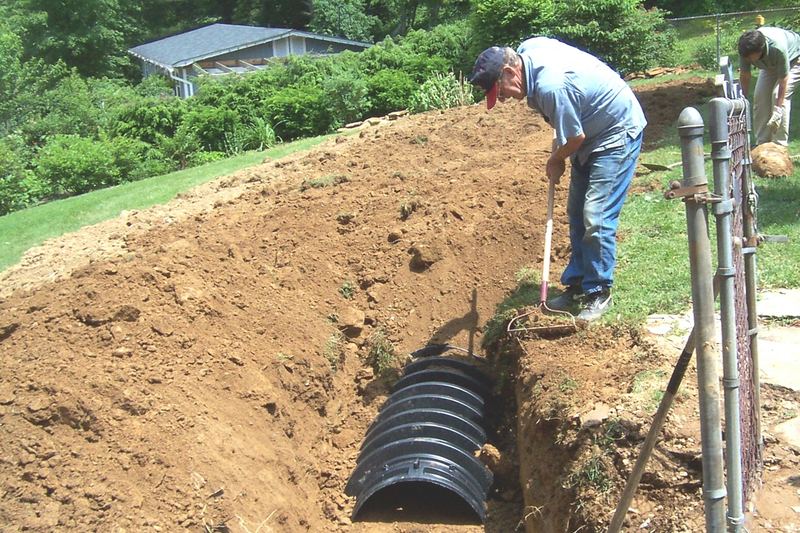

Soils and ground conditions in Naples and Collier County
Collier County is flat and low, with sandy soils over shallow limestone and a water table that rises sharply in the wet season.
Golden Gate Estates and other rural areas rely largely on private wells and septic, and raised mound-style drain fields are common.
Climate and what it means for a septic system
Hurricanes such as Irma in 2017 and Ian in 2022, plus heavy summer rain, test systems every year.
A tank only works as well as the drain field after it: saturated, compacted or root-filled soil is the most common reason for slow drains, odors and wet spots, so the soil and the water table are checked as well as the tank.
Local approvals and rules
Septic permits run through the state onsite sewage program; Collier County handles local planning questions.
Florida’s onsite sewage treatment and disposal systems are regulated under Chapter 62-6 of the Florida Administrative Code, with the program now run by the Florida Department of Environmental Protection. In springs and nutrient-impaired basins, newer rules can require enhanced, nitrogen-reducing systems.
Typical septic work in Naples and Collier County
Pumping, mound and drain-field repair, inspections and post-storm checks. Every property is different, so the system is located, opened and inspected on site before any repair is recommended or quoted.
Know where your tank, lids and drain field are, keep vehicles and new structures off them, and have pumping or permit records ready before the visit.
Florida Septic Pro in Naples and Collier County
We take septic enquiries from Naples and Collier County and surrounding areas around the clock. Tell us the address, when the tank was last pumped and what is happening, and we will arrange a visit.